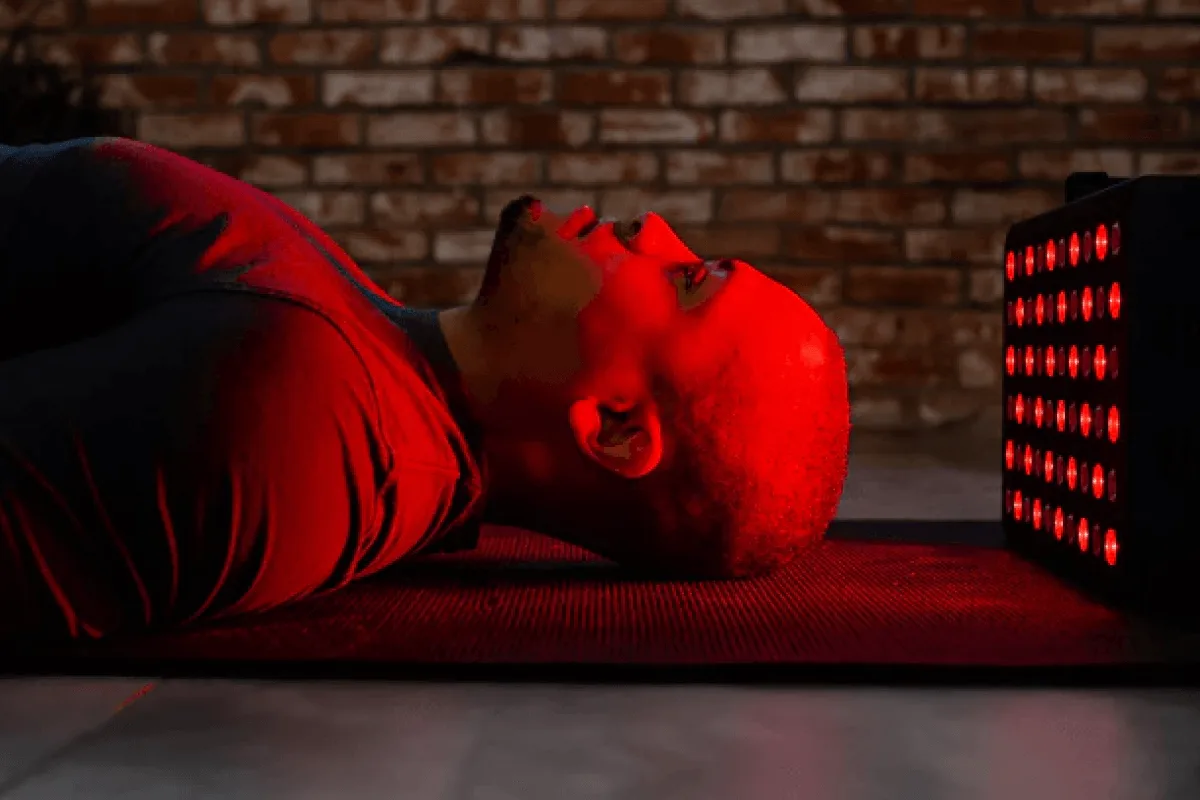
A Weekly Red Light Therapy Recovery Routine for Athletes
A sustainable weekly red light therapy recovery protocol for athletes: pre- vs post-training timing, dose, frequency, a sample schedule, and the real evidence.
The short answer: A practical red light therapy recovery routine for most athletes is three to five sessions per week, 10–20 minutes per major muscle group, used consistently for at least four to twelve weeks. Pre-training exposure has the strongest evidence for performance and muscle-damage prevention; post-training (or evening) exposure is the easier, more sustainable habit for everyday soreness. Aim for a moderate dose — roughly 20–60 J/cm² at the skin per area — because the science of photobiomodulation shows a “sweet spot,” not “more is better.” Done regularly and stacked on top of sleep, protein, and smart load management, it is a legitimate but modest recovery aid, not a shortcut.
If you only remember one thing, remember this: the athletes who get results from red light are not the ones who buy the biggest panel. They are the ones who actually use it most weeks of the year.
What red light therapy is doing for recovery (in plain terms)
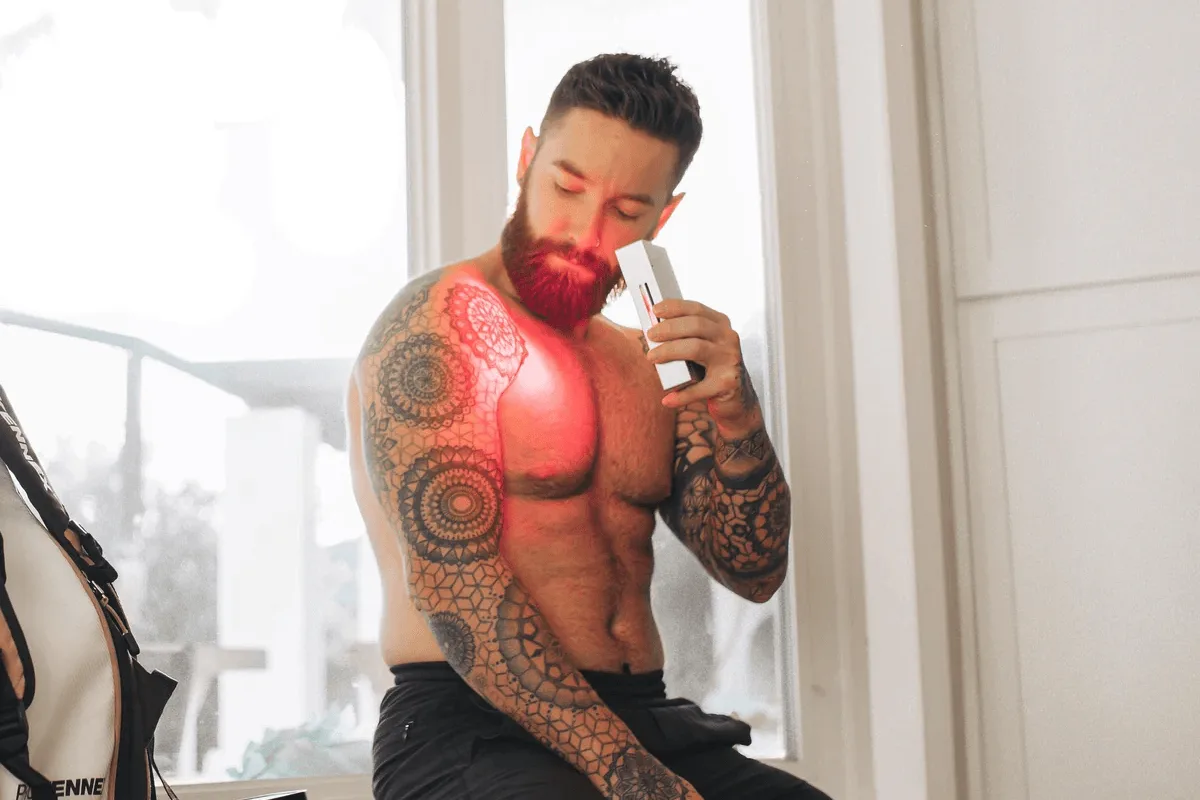
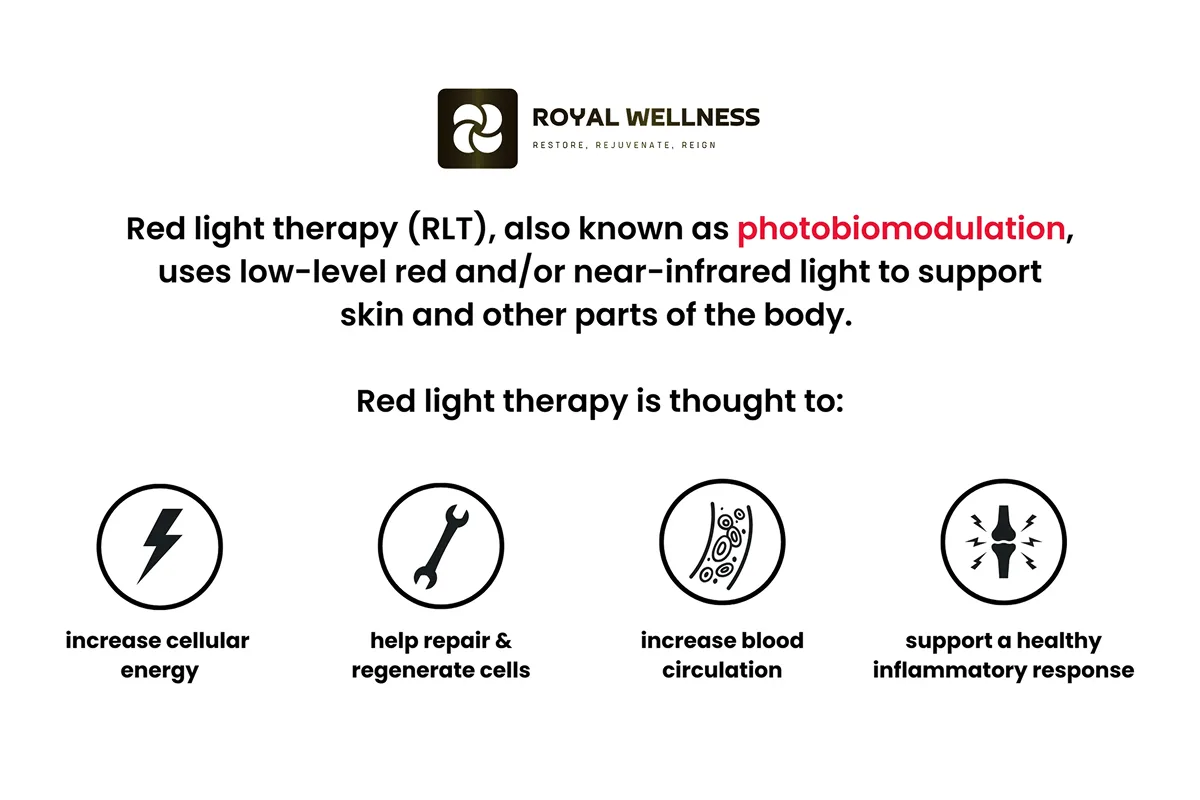
Red light therapy — clinically called photobiomodulation (PBM) — uses specific wavelengths of red (roughly 630–680 nm) and near-infrared (roughly 800–880 nm) light to influence how your cells produce energy. The leading explanation is that light in this range is absorbed by cytochrome c oxidase, an enzyme in your mitochondria, which nudges cells toward producing more ATP, a brief signaling burst of reactive oxygen species, and changes in nitric oxide. Downstream, this can shift cells toward repair, reduced inflammation, and improved survival. Michael Hamblin’s widely cited 2017 mechanism review lays this pathway out in detail, including the all-important point that the response is biphasic — low doses stimulate, high doses can inhibit (Hamblin, 2017).
A few definitions worth pinning down before we talk routine:
- Irradiance (power density): how much light energy hits a given area of skin at a given moment, measured in milliwatts per square centimeter (mW/cm²). Think of it as the “brightness” reaching your tissue. Home panels typically deliver tens of mW/cm² at a working distance.
- Dose (energy density / fluence): the total energy delivered to an area over a session, measured in joules per square centimeter (J/cm²). Dose = irradiance × time. This is the number that actually matters for results.
- DOMS (delayed-onset muscle soreness): the stiff, achy soreness that peaks roughly 24–72 hours after unfamiliar or eccentric-heavy training. Reducing DOMS is one of the most commonly studied recovery outcomes for red light.
For muscle recovery specifically, the proposed benefits are reduced markers of muscle damage (such as creatine kinase), lower inflammation and oxidative stress, less soreness, and in some protocols, better performance maintenance across hard sessions. Ferraresi, Huang, and Hamblin’s review of human muscle studies is a good entry point on these mechanisms and clinical findings (Ferraresi et al., 2016).
Why consistency beats intensity
Here is the most important and least glamorous principle of any recovery protocol: the effect compounds with repetition and disappears when you stop.
Photobiomodulation works at the cellular level by repeatedly tilting your tissue toward a more efficient, lower-inflammation state. A single session can blunt next-day soreness, but the meaningful, durable changes — better training tolerance, steadier recovery markers across a hard block — show up when sessions are stacked week after week. Borsa, Larkin, and True’s systematic review concluded that phototherapy can delay fatigue onset, reduce the fatigue response, and protect muscle cells from exercise-induced damage, but the studies driving those conclusions used structured, repeated dosing — not heroic one-offs (Borsa et al., 2013).
This reframes how you should think about your device. The relevant question is not “how powerful is it?” but “will I stand in front of it four times this week, and the week after, and the week after that?”
What consistency looks like in practice
- Frequency over duration. Five 12-minute sessions beat one 60-minute session. The cellular signal is best refreshed regularly, and very long single sessions can push you past the dose sweet spot for no extra benefit.
- A fixed cue. Anchor sessions to something you already do daily — coffee, the post-shower window, your evening wind-down. Routines that depend on motivation fail; routines attached to existing habits survive.
- A realistic minimum. Decide your floor (say, three sessions a week) and protect it. On busy weeks, hit the floor and move on. Perfect adherence is not the goal; durable adherence is.
- Track it lightly. A simple checkmark on a calendar is enough. Athletes who log adherence tend to maintain it.
If you are still choosing a device, our device finder quiz matches panel size and coverage to your training load and the muscle groups you most need to treat.
Pre- vs post-training: what the evidence actually says
This is the most-asked question, and the honest answer has nuance. Both timings are defensible; they are best for slightly different goals.
The case for pre-training light
The strongest, most consistent signal in the literature is for light applied before exercise — sometimes called preconditioning. Leal-Junior and colleagues’ meta-analysis found the most reliable improvements in muscle performance and recovery markers when phototherapy was applied before exercise, in the red or infrared range, at moderate doses (Leal-Junior et al., 2015). The idea is that you “prime” the muscle — boosting its energy capacity and resilience — so it takes less damage during the session itself.
Dose-finding trials from the same research group put numbers on it. In a placebo-controlled trial varying the dose applied before eccentric exercise, the higher tested dose produced the best performance and biochemical outcomes (Vanin et al., 2016), while a companion trial found that a moderate power output (around 100 mW per diode) before exercise produced the best results — more power was not better (de Oliveira et al., 2017). For panel users, the practical translation is a short, moderate-dose session shortly before you train.
The case for post-training (or evening) light
Pre-training light is great in theory, but most people cannot reliably build a 10–15 minute light session into a rushed pre-workout routine. Post-training and evening sessions are the more sustainable habit, and they target the recovery window directly — soreness, inflammation, and tissue repair.
Real-world trials in athletes support flexibility. In a triple-blind crossover trial in CrossFit athletes, light-based therapy applied either before or after the workout enhanced performance and accelerated recovery, with reduced muscle-damage and inflammatory markers across both timings (Pinto et al., 2022). Translation: timing matters less than doing it at all.
The honest caveat
Not every well-run study is positive. A double-blind randomized trial found that photobiomodulation applied for 10 minutes immediately before exercise did not improve muscle strength or recovery versus sham (Tsuk et al., 2020). And a 2024 meta-analysis of running-performance trials found no significant overall effect on running outcomes (Nascimento et al., 2024). These nulls are not a reason to dismiss red light — they are a reason to set expectations correctly and to get dose and timing right rather than assuming any session “counts.”
Bottom line on timing: If your priority is performance and damage prevention on key sessions, do a short pre-training session. If your priority is everyday soreness and sustainable habit, do a post-training or evening session. If you can manage both on hard days, do both — but never let “perfect timing” become the reason you skip the routine entirely.
How long and how often: dose and frequency
Dose is where most people go wrong, in both directions — too timid to matter, or so aggressive they assume more time equals more benefit. Neither is right.
The dose sweet spot
Because PBM is biphasic, there is a window. Below it, nothing happens; above it, the effect plateaus or reverses. For muscle work with full red/near-infrared panels, a practical target is roughly 20–60 J/cm² delivered to the skin per area. With a typical home panel at its recommended working distance (often 6–12 inches), that usually works out to about 10–20 minutes per area.
You don’t need to do precise math every session, but you should know two numbers for your specific device: its irradiance (mW/cm²) at your working distance, and therefore roughly how many minutes get you into the 20–60 J/cm² range. A reputable manufacturer publishes irradiance at stated distances; you can find third-party measurements and dosing summaries in our research library.
A simple way to estimate session time:
- Time (seconds) = desired dose (J/cm²) ÷ irradiance (W/cm²)
- Example: target 30 J/cm² with a panel delivering 0.040 W/cm² (40 mW/cm²) → 30 ÷ 0.040 = 750 seconds ≈ 12.5 minutes per area.
Frequency
For recovery, 3–5 sessions per week is the sweet spot for most athletes. Daily use is generally safe but rarely adds much over a well-placed 3–5x schedule. During a brutal training block or in the 48–72 hours after a competition or a heavy eccentric session, leaning toward the higher end (4–6 short sessions that week) is reasonable.
Duration of the protocol
Think in weeks, not days. Soreness benefits can appear within the first week or two, but the more robust changes accumulate over 4–12 weeks of consistency. Evaluate the routine over a training block, not a single session.
A sample weekly recovery routine
Below is a concrete template for an athlete training five to six days a week. Adjust to your sport, schedule, and the muscle groups you actually beat up. “Targeted areas” assume you treat each major worked region for the per-area time that puts you in the dose window for your device.
| Day | Training | Red light session |
|---|---|---|
| Monday | Heavy lower body (squats, hinge) | Pre (optional): 8–10 min quads/hamstrings before lifting. Evening: 12–15 min quads, hamstrings, glutes, low back |
| Tuesday | Upper body / push | Evening: 10–12 min chest, shoulders, triceps |
| Wednesday | Conditioning / intervals | Evening: 10–12 min legs + any sore areas (recovery focus) |
| Thursday | Upper body / pull | Evening: 10–12 min lats, biceps, forearms |
| Friday | Heavy lower body or sport-specific | Pre (optional): 8–10 min main movers. Evening: 12–15 min worked legs |
| Saturday | Long session / competition | Post-session: 12–15 min on the most-worked muscles within a few hours of finishing |
| Sunday | Rest / mobility | Optional: 10 min full-body maintenance, or skip |
Notes on using the template:
- The non-negotiables are the evening sessions. They are the backbone. Treat the pre-training sessions as a bonus on key days, not a requirement.
- Rotate coverage. With a smaller panel you can’t treat everything at once — prioritize the muscles you trained that day plus anything still sore from earlier in the week.
- Sundays are flexible. A short maintenance session is fine; so is a real rest day. The schedule should bend around your life, not break it.
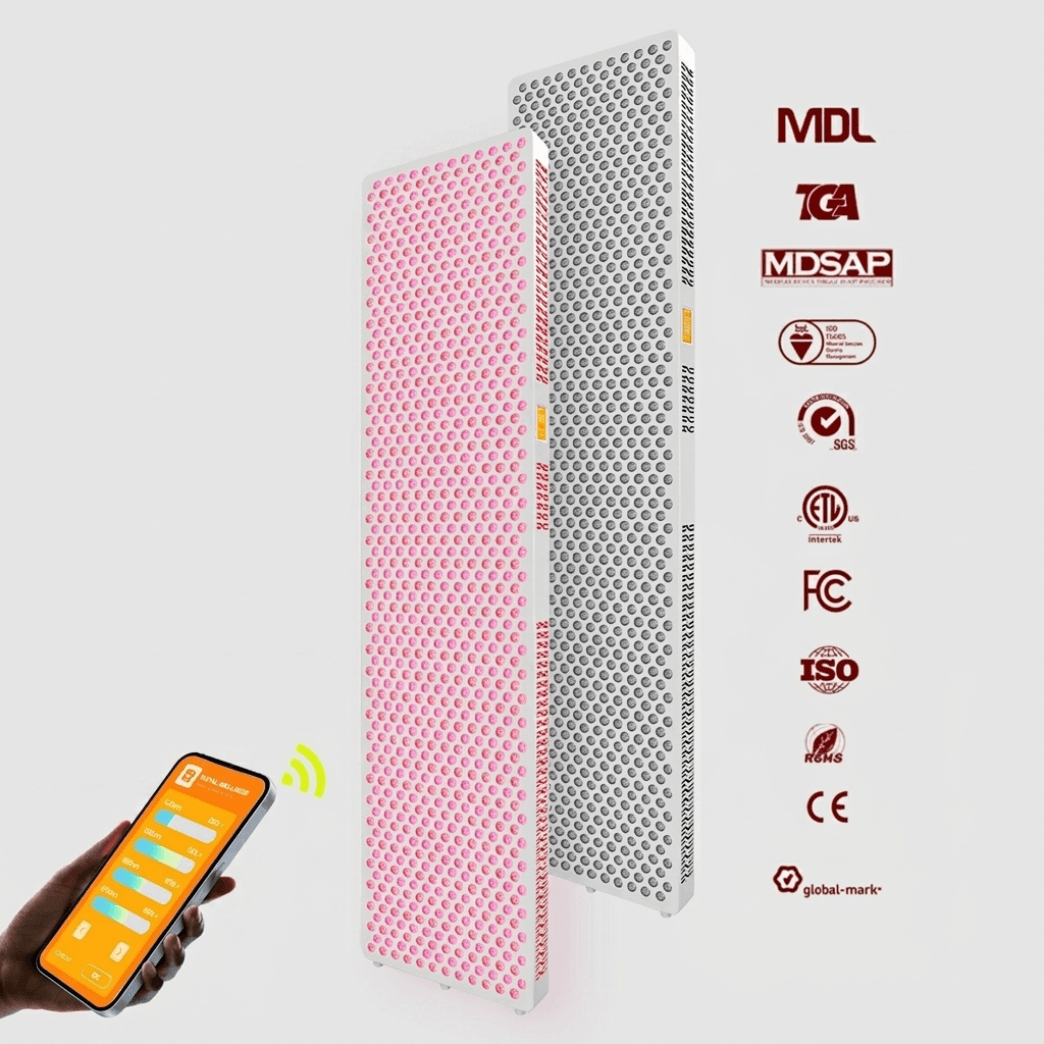
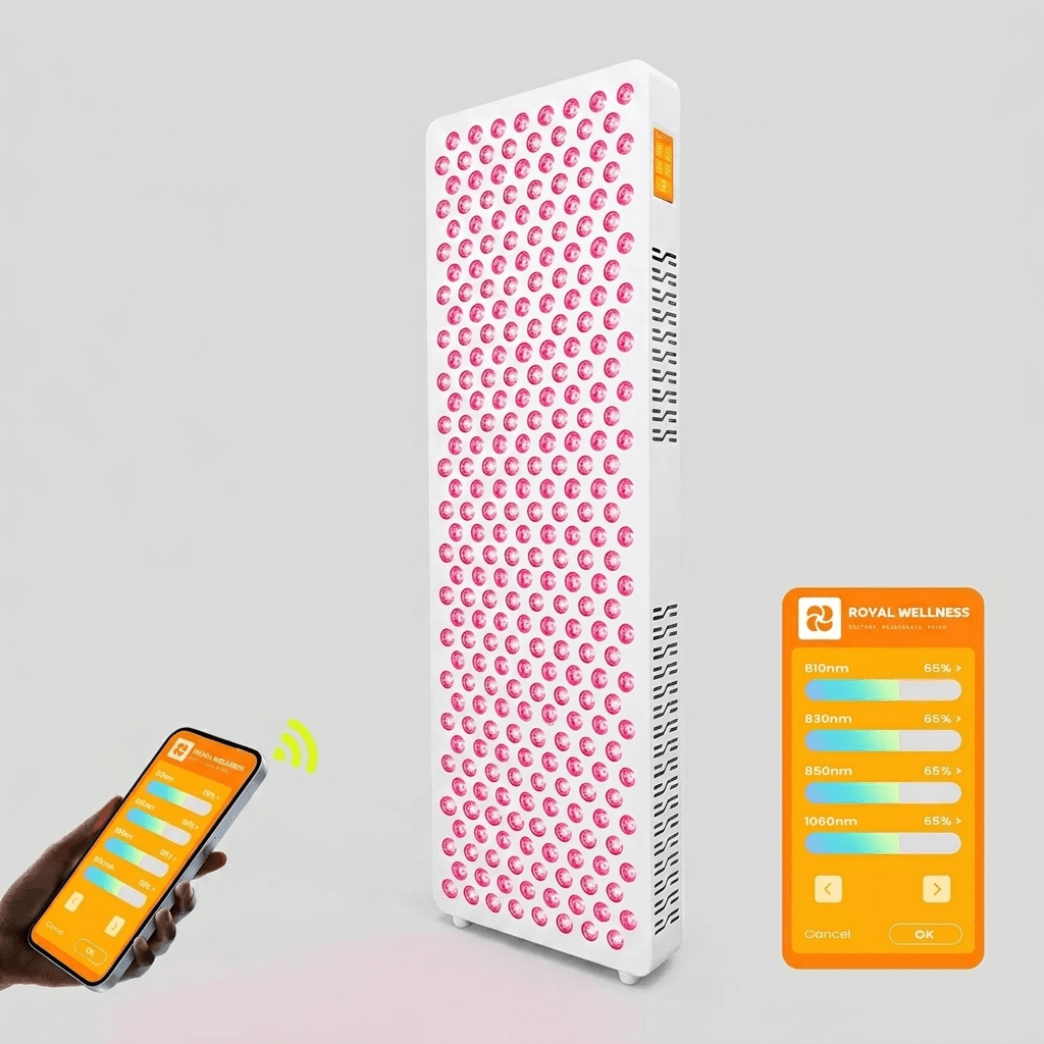
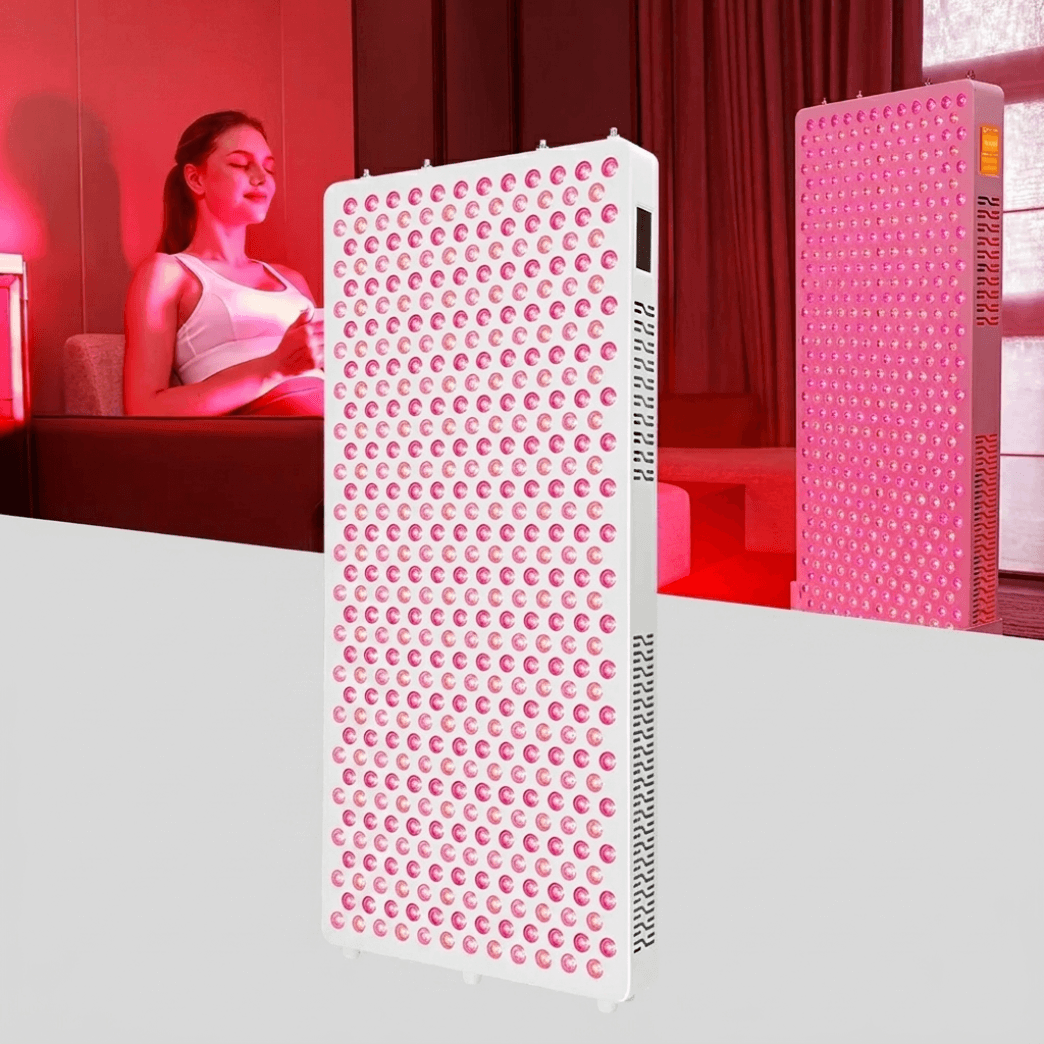
- Scale to your device. A larger full-body panel like the RoyalPRO Series covers more area per session, which is often the difference between a routine that survives a busy month and one that doesn’t.
Stacking red light with sleep and nutrition
Red light therapy is a multiplier on good recovery habits, not a substitute for them. The biggest returns come from layering it onto fundamentals that are doing the heavy lifting.
Sleep
Sleep is the single most powerful recovery tool you have; nothing in a panel replaces it. Two practical points:
- Schedule light earlier in your wind-down, not at the very end. Red and near-infrared light is far gentler on circadian timing than blue/white light, and there is interest in evening red light for sleep. Still, if you are light-sensitive, finishing your session 30–60 minutes before bed — rather than immediately before — is a sensible default.
- Use the routine to protect sleep, not compete with it. If a pre-bed session is cutting into sleep time, move it earlier. More sleep beats a perfectly timed light session every time.
Nutrition
Light can nudge cellular repair, but repair needs raw materials.
- Protein: Aim for adequate daily protein (commonly cited as roughly 1.6–2.2 g/kg of body weight for athletes), distributed across meals, to support muscle repair and adaptation.
- Energy and carbohydrate: Chronic under-fueling sabotages recovery and overrides any modality. Eat enough total calories and refuel glycogen around hard sessions.
- Hydration and the basics: Fluids, micronutrients, and consistent meals do more for recovery than any single gadget.
The mental model: sleep and nutrition set your recovery ceiling; red light helps you get closer to it. If the fundamentals are missing, no amount of light will compensate.
Mistakes to avoid
- Treating it like a painkiller. It is a training adaptation, not an on-demand fix. Judge it over weeks.
- Overdosing. Longer sessions past the dose window don’t help and may reduce the benefit. Respect the biphasic curve.
- Underdosing from too far away. Irradiance drops sharply with distance. Standing across the room delivers a fraction of the intended dose. Use the manufacturer’s working distance.
- Inconsistency. The classic failure mode: enthusiastic for two weeks, then nothing. Set a realistic floor and protect it.
- Expecting it to fix poor sleep or under-fueling. It can’t, and chasing the device while neglecting the basics is the most common way athletes waste their money.
- Buying more panel than you’ll use, or too little to cover what you need. Match coverage to your real training load — our device finder quiz or shop can help you size it correctly.
- Ignoring eye comfort. Bright near-infrared is invisible but intense. Use the provided eyewear or keep eyes closed and turned away.
Who should avoid it (or check first)
Red light therapy is well tolerated by most healthy people, but it is not for everyone. Speak with a qualified clinician before starting if any of the following apply:
- Pregnancy: Avoid direct application over the abdomen and lower back during pregnancy; the safety of PBM over a developing fetus has not been established. Check with your provider.
- Photosensitizing medications and conditions: Some drugs (certain antibiotics such as tetracyclines, some retinoids and acne medications, certain diuretics, St. John’s Wort, and others) and conditions (such as lupus or porphyria) increase light sensitivity and the risk of a skin reaction. Confirm with your prescriber or doctor.
- Active or suspected skin cancer / undiagnosed lesions: Do not treat over suspicious or undiagnosed skin lesions without medical clearance.
- Recent corticosteroid injections or active infection in the area: Get clinical guidance before treating the region.
- Eye safety for everyone: Do not stare into the diodes. Use the supplied protective eyewear or keep eyes closed and averted, especially with near-infrared, which you cannot see but is still intense.
- Thyroid, tattoos, or implanted devices over the treatment area: When in doubt, ask your clinician about positioning and exposure.
When the answer to “is this safe for me?” is unclear, get it cleared before you build a routine around it.
The bottom line
A red light therapy recovery routine works the way training works: through consistent, appropriately dosed exposure over weeks, layered on top of solid sleep and nutrition. The evidence supports real but modest benefits — reduced soreness, lower muscle-damage markers, and in some protocols better performance maintenance — and it is honest to acknowledge that the size of the effect depends on getting dose and timing right, and that some careful trials show no benefit at all. That makes it a worthwhile recovery aid for committed athletes, not a magic accelerant.
Build the simplest version you will actually sustain: 3–5 short sessions a week, a moderate dose per area, anchored to a daily habit, with optional pre-training sessions on your hardest days. Protect the floor, give it a full training block, and judge it honestly.
If you want a panel sized to cover the muscle groups you train hardest — so the routine is easy to keep — start with the RoyalPRO Series, or take the two-minute device finder quiz to match a device to your training load.
- Consistency beats intensity. Three to five honest sessions a week, repeated for months, outperform occasional marathon sessions — the cellular effects accumulate and then fade if you stop.
- Timing depends on your goal. Pre-training light (5–15 min, finishing within ~6 hours of exercise) is best supported for performance and damage prevention; post-training light is the practical default for soreness and recovery.
- Dose is a sweet spot, not a ceiling. Photobiomodulation follows a biphasic curve — too little does nothing, too much can blunt the effect. Aim for roughly 20–60 J/cm² per area at the skin.
- Set realistic expectations. Trials show meaningful but modest and dose/timing-dependent benefits for soreness and recovery markers; some well-run studies show no benefit. It is a recovery tool, not a shortcut.
- Stack it. Red light works best layered onto the fundamentals — sleep, protein, and progressive load management — not as a replacement for them.
- Skip it if it's not safe for you. Avoid over the abdomen in pregnancy, while taking photosensitizing medication, or directly into the eyes without protection — check with your clinician first.
FREQUENTLY ASKED
How often should an athlete use red light therapy for recovery?
Most athletes do well with 3–5 sessions per week, 10–20 minutes per major muscle group, used consistently for 4–12 weeks. Daily use is not harmful for most people, but it is rarely necessary — recovery effects come from repeated, regular exposure, not from doing extra-long or extra-frequent sessions.
Should I use red light before or after training?
Both are defensible. The strongest evidence for performance and muscle-damage prevention is for light applied before exercise (often 5–15 minutes, finishing within a few hours of the session). For everyday recovery and soreness, applying light after training is the simpler, more sustainable habit. Pick the one you will actually do consistently, or do a short pre-session on key training days and a recovery session in the evening.
What dose of red light is best for muscle recovery?
Photobiomodulation has a biphasic dose-response: too little does nothing and too much can reduce the benefit. For full-panel red and near-infrared devices, a practical target is roughly 20–60 J/cm² delivered to the skin per area, which usually means 10–20 minutes at a typical home-panel distance. More is not better past the sweet spot.
How long until I notice a difference?
Some athletes notice less next-day soreness within the first week or two. The more reliable, measurable changes — recovery markers, training tolerance — tend to show up after several weeks of consistent use. Treat it like a training adaptation, not a single-dose painkiller.
Does red light therapy actually work for recovery, or is it hype?
The honest answer is: it helps, modestly, when dose and timing are right — and it does nothing in some well-run trials. Multiple randomized studies show reduced delayed-onset muscle soreness and lower muscle-damage markers, while at least one careful trial found no benefit and some meta-analyses (for example, running performance) found no significant effect. It is a legitimate recovery aid with realistic, not miraculous, expectations.
Can I combine red light therapy with ice baths, massage, or stretching?
Yes. Red light is generally compatible with other recovery modalities. A reasonable approach is to use red light as your low-effort daily layer and reserve ice, massage, or mobility work for when you specifically need them. Avoid relying on any single tool to compensate for poor sleep or under-fueling.
REFERENCES
- 1. Leal-Junior ECP, Vanin AA, Miranda EF, de Carvalho PdTC, Dal Corso S, Bjordal JM. Effect of phototherapy (low-level laser therapy and light-emitting diode therapy) on exercise performance and markers of exercise recovery: a systematic review with meta-analysis. Lasers Med Sci. 2015;30(2):925–939. doi:10.1007/s10103-013-1465-4. PMID: 24249354
- 2. Ferraresi C, Huang YY, Hamblin MR. Photobiomodulation in human muscle tissue: an advantage in sports performance? J Biophotonics. 2016;9(11–12):1273–1299. doi:10.1002/jbio.201600176. PMCID: PMC5167494
- 3. Vanin AA, De Marchi T, Tomazoni SS, et al. Pre-Exercise Infrared Low-Level Laser Therapy (810 nm) in Skeletal Muscle Performance and Postexercise Recovery in Humans: What Is the Optimal Dose? A Randomized, Double-Blind, Placebo-Controlled Clinical Trial. Photomed Laser Surg. 2016;34(10):473–482. doi:10.1089/pho.2015.3992. PMID: 27575834
- 4. de Oliveira AR, Vanin AA, Tomazoni SS, et al. Pre-Exercise Infrared Photobiomodulation Therapy (810 nm) in Skeletal Muscle Performance and Postexercise Recovery in Humans: What Is the Optimal Power Output? Photomed Laser Surg. 2017;35(11):595–603. doi:10.1089/pho.2017.4343. PMID: 29099680
- 5. Borsa PA, Larkin KA, True JM. Does phototherapy enhance skeletal muscle contractile function and postexercise recovery? A systematic review. J Athl Train. 2013;48(1):57–67. doi:10.4085/1062-6050-48.1.12. PMCID: PMC3554033
- 6. Hamblin MR. Mechanisms and applications of the anti-inflammatory effects of photobiomodulation. AIMS Biophys. 2017;4(3):337–361. doi:10.3934/biophy.2017.3.337. PMCID: PMC5523874
- 7. Pinto HD, Casalechi HL, de Marchi T, et al. Photobiomodulation Therapy Combined with a Static Magnetic Field Applied in Different Moments Enhances Performance and Accelerates Muscle Recovery in CrossFit Athletes: A Randomized, Triple-Blind, Placebo-Controlled Crossover Trial. Oxid Med Cell Longev. 2022;2022:9968428. doi:10.1155/2022/9968428. PMCID: PMC9325605
- 8. Palma H, Pinfildi CE, Lambertucci RH, Franco ESB, Vaz VdM, Peccin S. Photobiomodulation Before Eccentric Fatigue Protocol in the Control of Pain and Muscle Damage Markers: A Double-Blind, Randomized Controlled Study. Photobiomodul Photomed Laser Surg. 2020;38(12):780–788. doi:10.1089/photob.2020.4866. PMID: 33332233
- 9. Tsuk S, Lev YH, Fox O, Carasso R, Dunsky A. Does Photobiomodulation Therapy Enhance Maximal Muscle Strength and Muscle Recovery? J Hum Kinet. 2020;73:135–144. doi:10.2478/hukin-2019-0138. PMID: 32774545
- 10. Nascimento AP, Silva AV, Casonatto J, Aguiar AF. A Meta-Analysis of Randomized Controlled Trials on the Effects of Photobiomodulation Therapy on Running Performance. Int J Exerc Sci. 2024;17(4):327–342. doi:10.70252/BUWB9550. PMCID: PMC11042871
ABOUT THE AUTHORS
Our team reviews the peer-reviewed literature on red and near-infrared light therapy and translates it into honest, practical guidance — no hype, just what the evidence actually supports.